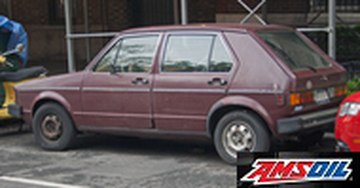
Maintaining Lubrication Standards for the 1982 Volkswagen RABBIT 1.7L
Proper engine care for a vehicle of this era requires a focus on consistent monitoring and adherence to specific fluid requirements. For owners of the 1982 Volkswagen RABBIT equipped with the 1.7L [A] EN engine, maintaining the lubrication system is a fundamental aspect of long-term mechanical health. Because older engines operate under different thermal and mechanical stresses than modern vehicles, a proactive approach to maintenance can help ensure continued performance.Monitoring Fluid Integrity and Condition
One of the most effective ways to monitor the health of the 1.7L engine is through regular observation of the lubricant itself. The condition of the oil can provide clues regarding the internal environment of the engine. When performing routine checks, it is useful to look for changes in the color or consistency of the fluid. If the oil appears excessively dark or contains visible particulates, it may indicate that the service interval has been exceeded or that contaminants are present within the system. Furthermore, any unusual odors associated with the engine bay should be investigated, as these can sometimes be linked to fluids contacting hot surfaces. While a change in appearance does not definitively diagnose a specific mechanical failure, it serves as a vital indicator that closer inspection is warranted. Beyond the oil itself, checking for external signs of seepage is a practical maintenance step. Inspecting the area around the engine for any evidence of fluid leakage can help identify aging gaskets or seals before they lead to significant loss of lubricant. Maintaining a clean engine bay can make these visual inspections much more effective, as it allows any new leaks to become immediately apparent against the metal surfaces.Prioritizing Maintenance Based on Current Condition
As vehicles age, maintenance strategies often shift from strictly following a calendar-based schedule to a condition-based approach. For a 1982 Volkswagen RABBIT, this means evaluating the actual state of the mechanical components rather than assuming they require service based solely on their age. If you are managing a vehicle with an incomplete service history, establishing a maintenance baseline is a logical first step. This involves performing a thorough inspection of all accessible fluids and components to determine their current state. Once a baseline is established, you can prioritize tasks based on what the vehicle actually needs. For example, addressing an active leak or replacing a heavily worn filter should take precedence over more general preventive measures. Keeping detailed records of all completed services, including the dates and the specific products used, is highly beneficial. These records allow you to track patterns, such as how quickly certain fluids are consumed or how often specific components require attention. This data-driven approach helps in making informed decisions about whether to continue with current maintenance habits or to adjust them as the vehicle continues to age.Observing Potential Operational Changes
Owners should remain attentive to how the engine behaves during different operating conditions. While many mechanical changes happen gradually, certain symptoms can warrant immediate investigation. For instance, if you notice a change in how the engine sounds during startup or while idling, it may be worth investigating the lubrication or ignition systems. Changes in lubricant consumption are another important factor to monitor. If you find that you are needing to add oil more frequently than in previous months, this is a sign that the vehicle's lubrication requirements have changed. This does not necessarily point to a single specific component failure, but it does indicate that the engine's sealing or consumption characteristics should be evaluated. Additionally, any unexpected warning indicators on the dashboard require prompt attention. While modern vehicles have extensive electronic monitoring, even older systems provide essential feedback regarding the operational status of the engine. Treating these signals as prompts for a professional inspection can prevent minor issues from escalating into more significant mechanical concerns.Managing Aging Engine Components
Maintaining an older vehicle involves a careful balance between preventive maintenance and avoiding unnecessary repairs. It is important to distinguish between components that are showing actual signs of wear and those that are simply old. For the 1982 Volkswagen RABBIT, this means inspecting aging materials—such as rubber hoses or electrical connections, if present—for signs of deterioration like cracking, fraying, or brittleness. When inspecting these components, look for evidence of environmental damage or heat-related wear. If equipped with various belts or hoses, check them for any visible signs of glazing or surface degradation. However, the goal is to use the current condition of the part to guide your actions. A component that appears structurally sound and shows no signs of leakage or cracking may not require immediate replacement, even if it has been in service for many years. This philosophy extends to the cooling system as well. If the vehicle is equipped with a liquid-cooling configuration, monitoring the condition of the coolant and the integrity of the hoses is essential. Evidence of overheating or visible leaks in the cooling circuit should be addressed promptly to protect the engine from thermal stress.Effective Long-Term Ownership Strategies
Successful long-term ownership of a classic vehicle like the 1982 Volkswagen RABBIT relies heavily on consistency. The most successful owners are those who treat maintenance as an ongoing process rather than a series of reactive repairs. By staying ahead of potential issues through regular visual inspections and fluid monitoring, you can maintain a much higher level of mechanical predictability. One effective strategy is to perform "walk-around" inspections during every service. While the vehicle is already being worked on or while you are checking the oil, take a moment to look at the surrounding components. Check for any signs of previous neglect or inconsistent maintenance from prior owners, such as mismatched parts or evidence of makeshift repairs. Understanding the history of the vehicle helps you tailor your future maintenance efforts to its specific needs. Ultimately, the goal is to maintain the engine in a state where it can operate reliably within its intended parameters. This requires a commitment to using the correct fluids and following a logical inspection routine that respects the age and design of the 1982 1.7L engine.Practical Guidance for Buying Engine Oil for your 1982 Volkswagen RABBIT 1.7L
When it is time to replenish your engine's lubricant, the most important step is to ensure the product matches the specific requirements of your application. Do not rely on general automotive knowledge or assumptions based on the vehicle's age to select a grade. Instead, always match the engine oil to the application-specific viscosity information already displayed on this webpage. When you are ready to purchase, consider the following practical steps:- Verify the Label: Always check the product packaging to ensure the SAE viscosity and API service classifications align with the information provided in your vehicle's documentation.
- Evaluate Formulations: Depending on your engine's current condition, you may choose between conventional, synthetic blend, or full synthetic oils. Some high-mileage oil formulations contain additives intended for use in aging engines, including seal-conditioning additives, which may be a consideration for vehicles with higher service hours.
- Check Quality Standards: Ensure the oil meets the appropriate modern API certification to guarantee it provides necessary protection against oxidation and deposit formation.